

February 4, 2026. Representatives from international organizations, civil society, the scientific community, Indigenous Peoples, youth networks, women’s organizations, and other key stakeholders participated in the Major Groups and Stakeholders (MGS) Hybrid Preparatory Meeting, held prior to the First Plenary of the Intergovernmental Science-Policy Panel on Chemicals, Waste and Pollution (ISP-CWP). The meeting aimed to coordinate positions, strengthen multi-stakeholder engagement, and prepare joint contributions for this important global environmental forum.
During the opening session, participants collectively reviewed and adjusted the agenda, agreeing on priorities, timelines, and facilitation mechanisms to ensure inclusive and organized participation. This coordination helped align expectations and foster a cohesive presence of stakeholders during the plenary discussions.
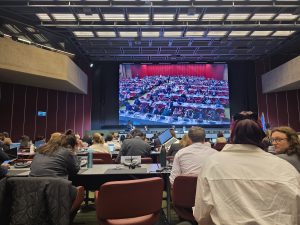
Civil society organizations and scientific networks also provided updates on their initiatives, research, and preparations. The Women’s Major Group highlighted recent actions including capacity-building processes, consultations with feminist organizations across regions, and the launch of the “Color Campaign,” encouraging delegates to wear yellow as a symbol of a toxic-free future and gender justice.
Another key focus was the review of the panel’s draft rules of procedure and civil society participation mechanisms. Discussions emphasized the importance of safeguarding scientific independence, institutional transparency, and meaningful participation to ensure legitimacy in global environmental decision-making.
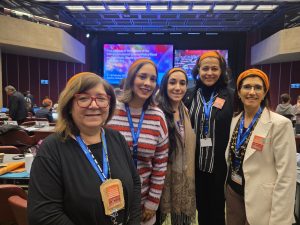
Participants also addressed organizational and logistical aspects for coordinated engagement during the plenary, including communication channels, consensus-building processes, and joint positioning. As an outcome, an intersectoral drafting committee was established to prepare a joint opening statement reflecting shared priorities among stakeholders.
The preparatory meeting reaffirmed the commitment of civil society, the scientific community, and social sectors to advancing science-based, inclusive, and equitable environmental policies in response to the growing global pollution crisis.