

The Women’s Major Group at the United Nations Environment Programme (WMG-UNEP) is a global, self-organized alliance that brings together feminist, women’s, and civil society organizations committed to environmental justice, gender equality, and human rights–based sustainable development. Since its establishment following the 1992 Earth Summit, the WMG has served as a formal channel for the meaningful participation of women in United Nations environmental policy processes, particularly within the framework of the United Nations Environment Programme (UNEP) and the United Nations Environment Assembly (UNEA).
Through a participatory and representative structure, the WMG-UNEP brings together regional and thematic teams that work in a coordinated manner to strengthen policy advocacy, knowledge generation, and collective action at the global level. Each team reflects the diversity of contexts, experiences, and knowledge of the women who comprise it, contributing to amplifying their voices in international environmental governance and promoting transformative solutions that integrate gender equality, human rights, and environmental sustainability.
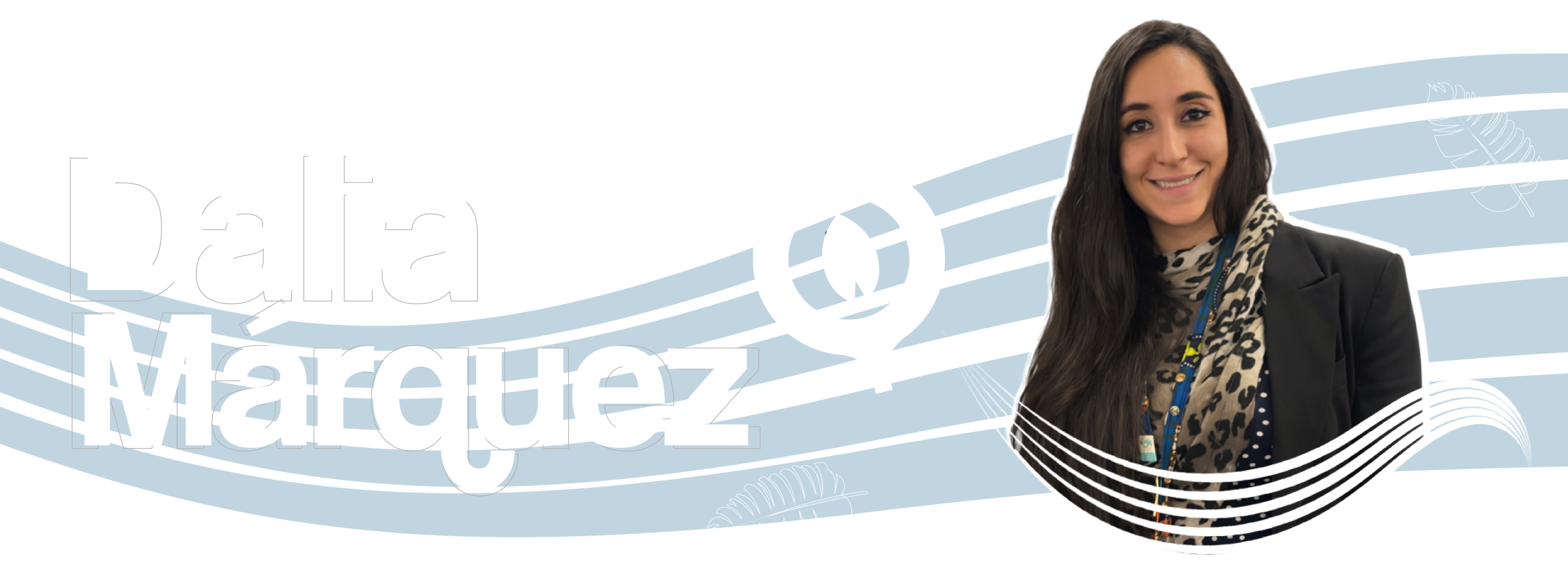
CEO and Founder of Juventud Unida en Acción, Dalia Márquez Añez is a Venezuelan lawyer and human rights advocate with a strong focus on gender equality, peacebuilding, and environmental protection. She has over nine years of experience leading education and community empowerment programs, particularly for women and vulnerable communities. A former university law professor, she has also served as a Regional Facilitator for Major Groups in Latin America and the Caribbean at UNEP and as a Youth Advisor to the UN Environment Programme’s TUNZA strategy. She holds a Master’s degree in Human Rights and specializes in human rights protection and commercial law.
Contact: cochairdaliamarquez@wmgunep.org

Teresia Gitau is a Kenyan environment journalist and communications strategist working at the intersection of faith and environment.
She is the Communications Officer at the Catholic Youth Network for Environmental Sustainability in Africa (CYNESA) Kenya, where she leads strategic communications, public relations, branding, and digital engagement. Her work focuses on translating global and national environmental policies into accessible, community-led action, particularly with and for women navigating cultural and structural barriers.
A freelance faith–environment journalist, Teresia amplifies faith perspectives within environmental discourse, highlighting how values, ethics, and belief systems influence behavior change and environmental action. She is a member of MESHA (Media for Environment, Science, Health, and Agriculture) and a part-time Environment Editor at Page IX Magazine.
She actively engages in multilateral environmental processes through the Children and Youth Major Group at UNEP, UNFCCC, UNCCD, AMCEN, and the Bamako Convention. Her climate work includes a strong focus on non-economic loss and damage and its disproportionate impacts on women.
Contact: cochairtessmgitau@wmgunep.org

Rabeb Aloui is a Tunisian climate advocate working at the intersection of environmental justice, plastic pollution, and climate mobility. With a strong commitment to amplifying voices from the Global South, her work focuses on how environmental degradation particularly plastic pollution and climate change disproportionately affects vulnerable communities, women, and people on the move. As a climate advocate, Rabeb has consistently highlighted plastic pollution as both an environmental and social justice issue. She emphasizes the links between plastic waste, public health, marine and coastal ecosystems, and local livelihoods, especially in North Africa and the Mediterranean region. Through advocacy and engagement in international spaces, she promotes inclusive and just solutions that prioritize prevention, accountability, and the leadership of communities most impacted by pollution.
Rabeb is also widely recognized for her work on climate mobility. She advocates for the recognition of human mobility as a critical adaptation strategy to climate change, stressing the need for rights-based and people-centered approaches. Her work calls for stronger policy frameworks that protect the dignity and rights of climate-affected populations, with particular attention to the gendered impacts of displacement and migration. She actively pushes for the meaningful inclusion of women and frontline communities in climate and migration decision-making processes. She is a member of the Women and Gender Constituency (Women’s Major Group), where she contributes to feminist climate advocacy by advancing gender-responsive approaches to climate action, plastic governance, and climate mobility policies. Rabeb engages with global environmental and climate platforms, including UN processes, to ensure that equity, gender justice, and human mobility remain central to environmental decision-making.
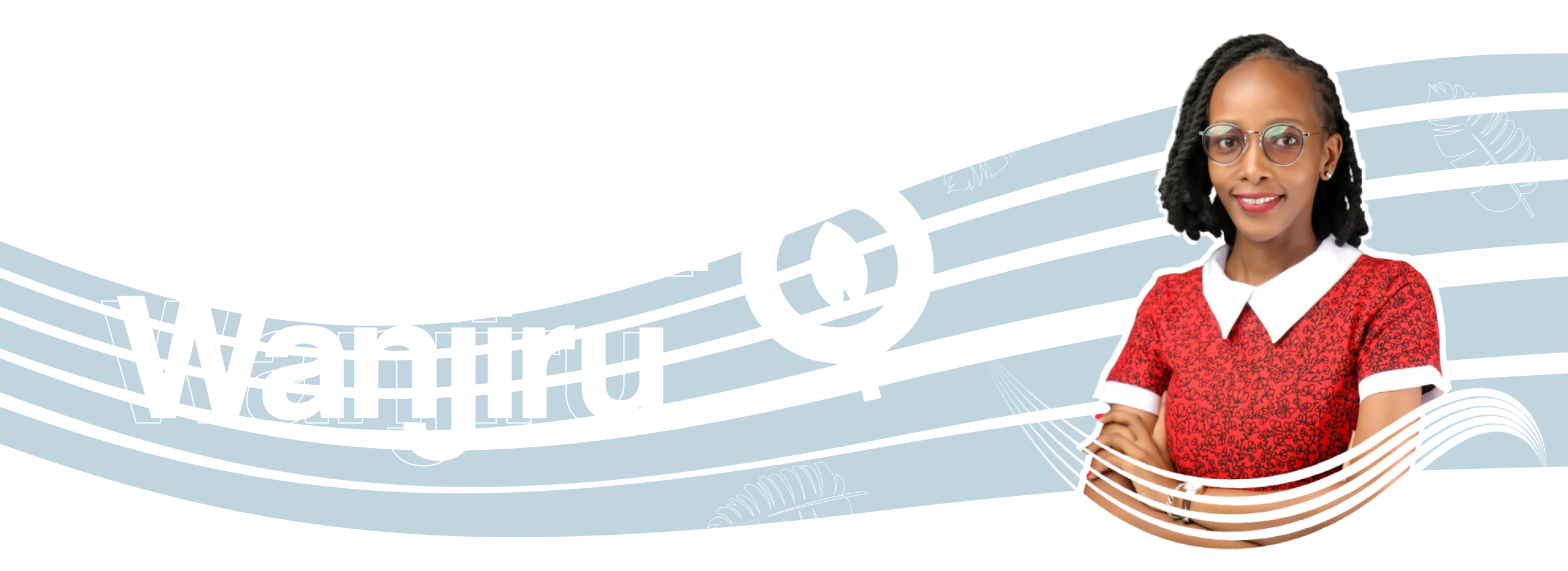
Shaleen Wanjiru SCR is a Kenyan sustainable development and policy practitioner, gender equality advocate, and youth leader working at the intersection of climate governance, environmental justice, sustainable finance, and women’s rights. She serves as the Africa Focal Point for the Women Major Group to the United Nations Environment Programme (WMG-UNEP) and as Soroptimist International representative to the United Nations, where she advances gender-responsive environmental governance and advocates for the protection and leadership of women and girls. Her work addresses climate change, plastic pollution, and environmental degradation, with a focus on inclusive policy processes, community-driven solutions, and the prevention of violence against women and girls in climate, humanitarian, and resilience policies. She holds a Bachelor’s degree in Journalism and Media Studies and is certified in Sustainability and Climate Risk (SCR®) by the Global Association of Risk Professionals (GARP), bringing a strong commitment to inclusive, evidence-based climate action across Africa.
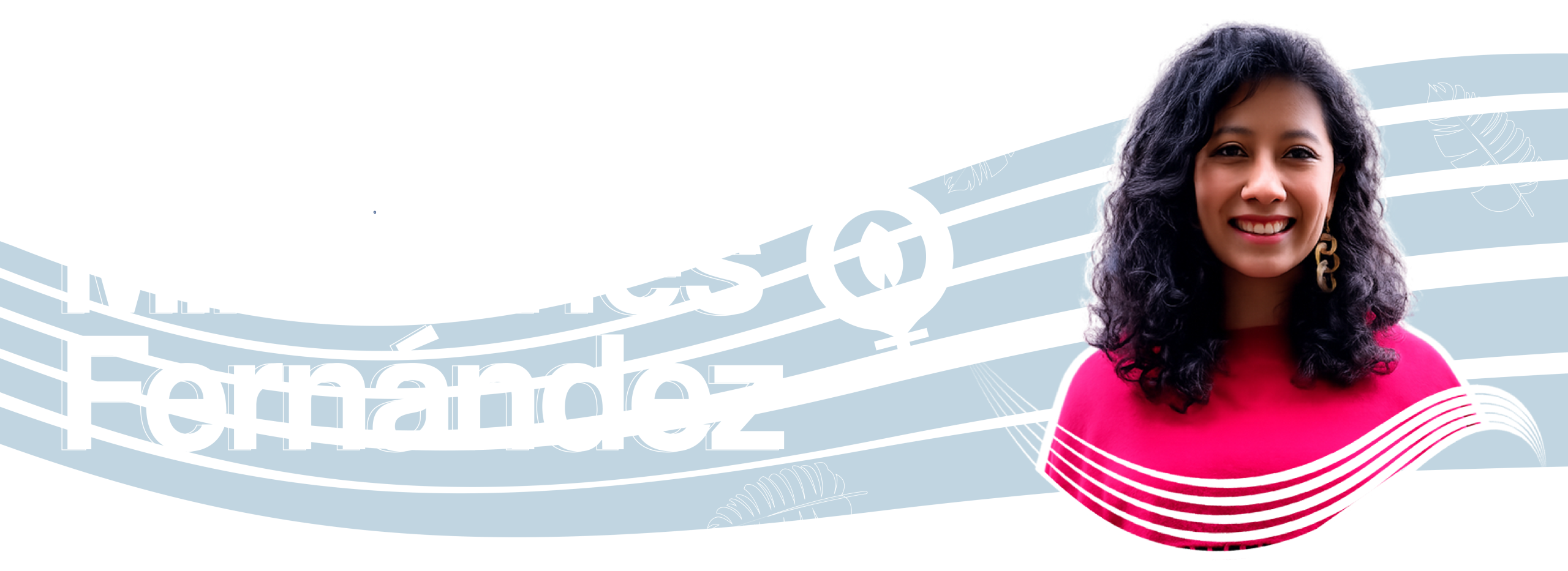
Mirna Inés Fernández is a Bolivian environmental engineer and Researcher in the Biodiversity Programme of Third World Network (TWN), where she follows negotiations under the UN Convention on Biological Diversity and related multilateral environmental agreements. She holds a Master’s degree in Tropical Biodiversity and Ecosystems and has over ten years of experience in environmental policy advocacy, capacity building, and biodiversity governance. She has served as Policy Coordinator of the Global Youth Biodiversity Network (GYBN), co-founded its Bolivian chapter, and remains actively engaged in initiatives supporting sustainability and the rights of Indigenous Peoples and Local Communities, particularly in the Amazon region.

Ndeye Fatou Ndiaye is a Senegalese environmental policy expert with over a decade of experience working at the intersection of climate change, chemicals and waste management, air pollution, and sustainable development, with a strong focus on gender-responsive and inclusive governance. With a background in agronomy and environmental sciences, she works as a national and regional expert on chemicals, waste, and short-lived climate pollutants across West Africa, supporting policy development, stakeholder engagement, and implementation, particularly on methane mitigation, organic waste management, circular economy approaches, and climate–health co-benefits. She has been actively involved in UN and multilateral environmental processes, including CCAC, UNEA-related processes, and the Basel, Stockholm and Minamata Conventions, as well as the development of NDCs and national methane roadmaps. Engaged in women-led and civil society networks such as the Women and Gender Major Group and the Women’s Caucus to the CBD, she advocates for the meaningful participation of women, local communities, and informal workers in environmental governance, while supporting governments and civil society to advance gender equality, social justice, and effective environmental action in Senegal and the wider region.
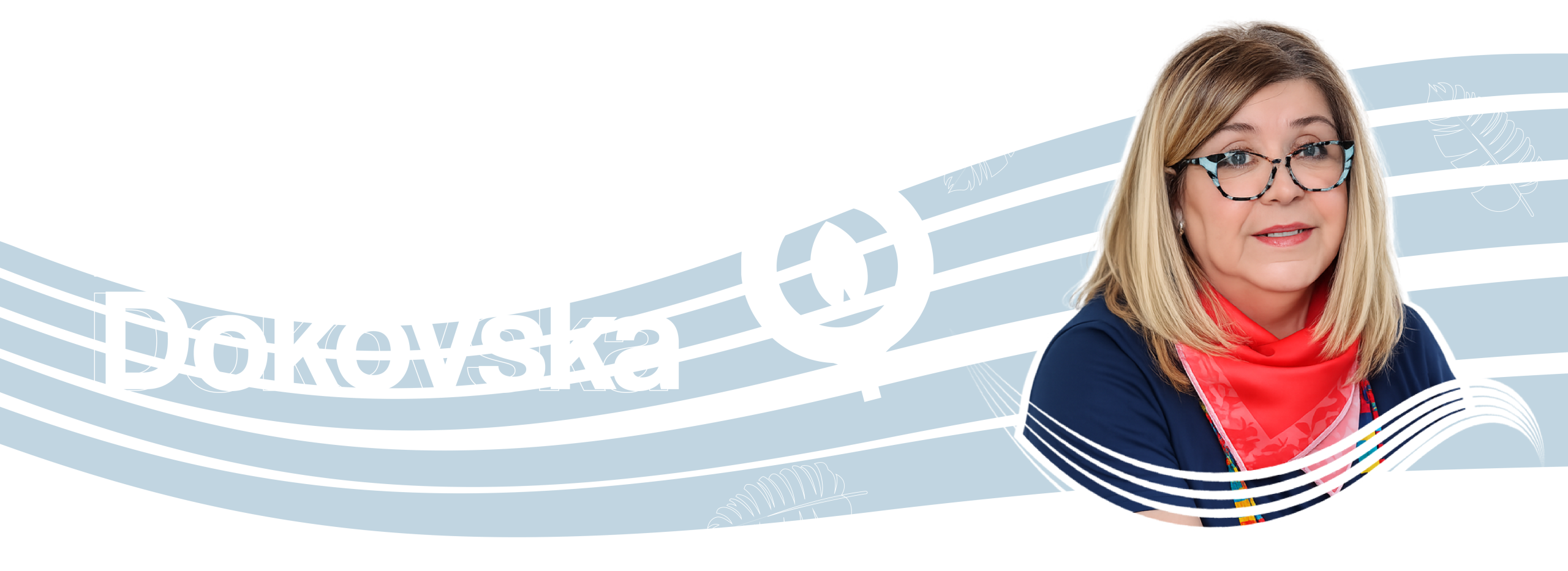
Natasha Dokovska is a researcher and gender equality advocate with an academic background in journalism and human rights, focusing on the intersections of environmental change, migration, and social justice. She holds a Master’s degree in Human Rights and is currently preparing her PhD research on environmental migration, with particular attention to the human rights and gendered dimensions of climate- and environment-induced displacement. Her work examines how climate change, biodiversity loss, pollution, and environmental degradation shape human mobility, vulnerability, and access to rights, especially for women and marginalized communities. Drawing on her journalism background, she brings strong analytical, research, and communication skills to policy-oriented and interdisciplinary work, contributing to rights-based and gender-responsive environmental governance. She is currently Program Director at the civil society organization Journalists for Human Rights, based in North Macedonia.
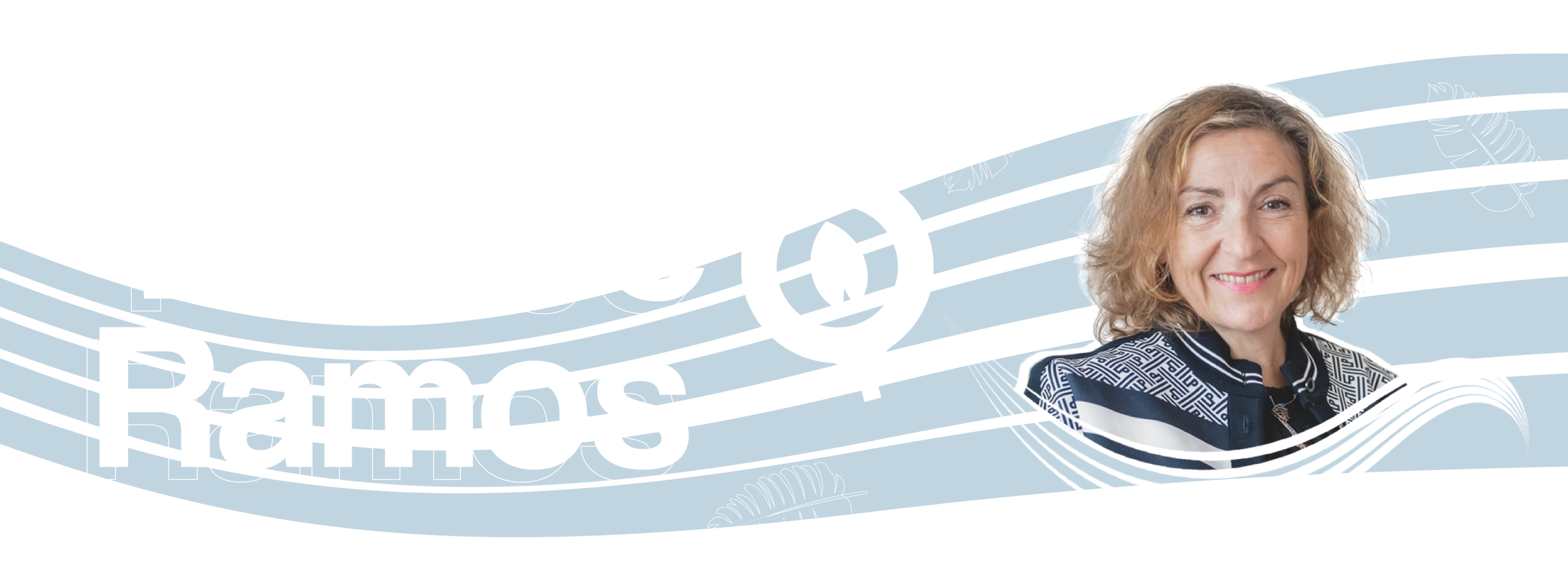
Yvette Ramos is an international consultant and gender equality advocate with a Master of Science in Telecommunications Engineering and an MBA specializing in Human Resources and Change Management, and nearly three decades of professional experience across the private sector, academia, and the United Nations system. Currently in the final year of her PhD in Climate Change and Sustainable Development Policies at the University of Lisbon, she brings a multidisciplinary perspective to global sustainability challenges. Her career includes roles in the telecommunications industry, academia, and as an international consultant for UN agencies such as the International Telecommunication Union (ITU) and the World Meteorological Organization (WMO), where she has supported countries—particularly in least developed regions—in strategic planning, institutional strengthening, policy development, and project management. She is the first woman to serve as President of Swiss Engineering Geneva and has been recognized as Woman Engineer of the Year in France (CDEFI, 2025). As Co-Founder and President of WOMENVAI, an NGO with UN ECOSOC special consultative status, and as Regional Coordinator for Europe within the Women’s Major Group, she advances gender equality, feminist advocacy, and rights-based climate and sustainability policies at global and regional levels.
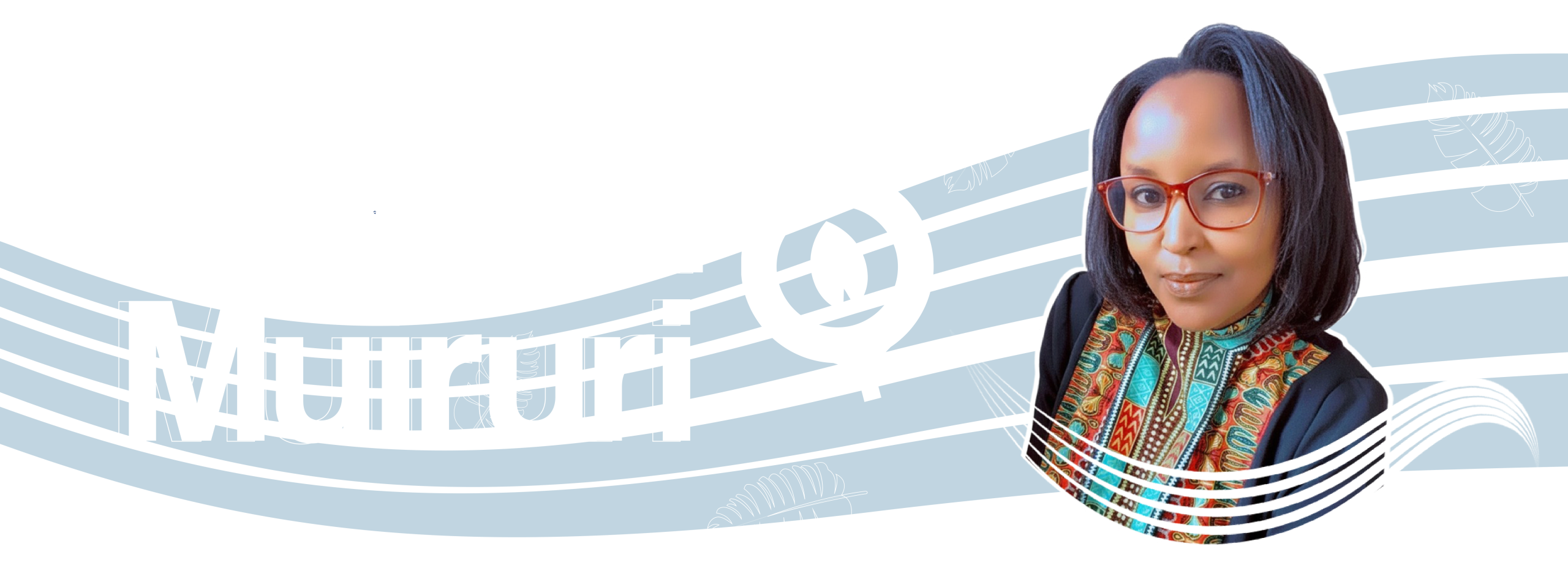
Shalon Wanjiru Muiruri is a Kenyan humanitarian, philanthropist, and environmental and climate justice practitioner working at the intersection of gender justice, community development, and sustainable environmental governance. She is the Executive Director of Safe Dada Kenya and currently serves as Facilitator for the Intergovernmental Science and Policy Panel on Chemicals, Waste, and Pollution (ISP-CWP) Working Group under the Women’s Major Group to UNEP, contributing to science–policy integration and environmental governance. She is also involved in civil society coalitions addressing plastic pollution, faith-based environmental action, and youth and inclusive governance at national and international levels. Recognized for her leadership in environmental and gender justice, her work continues to advance women’s leadership, youth participation, and community-driven solutions for a just and sustainable future.
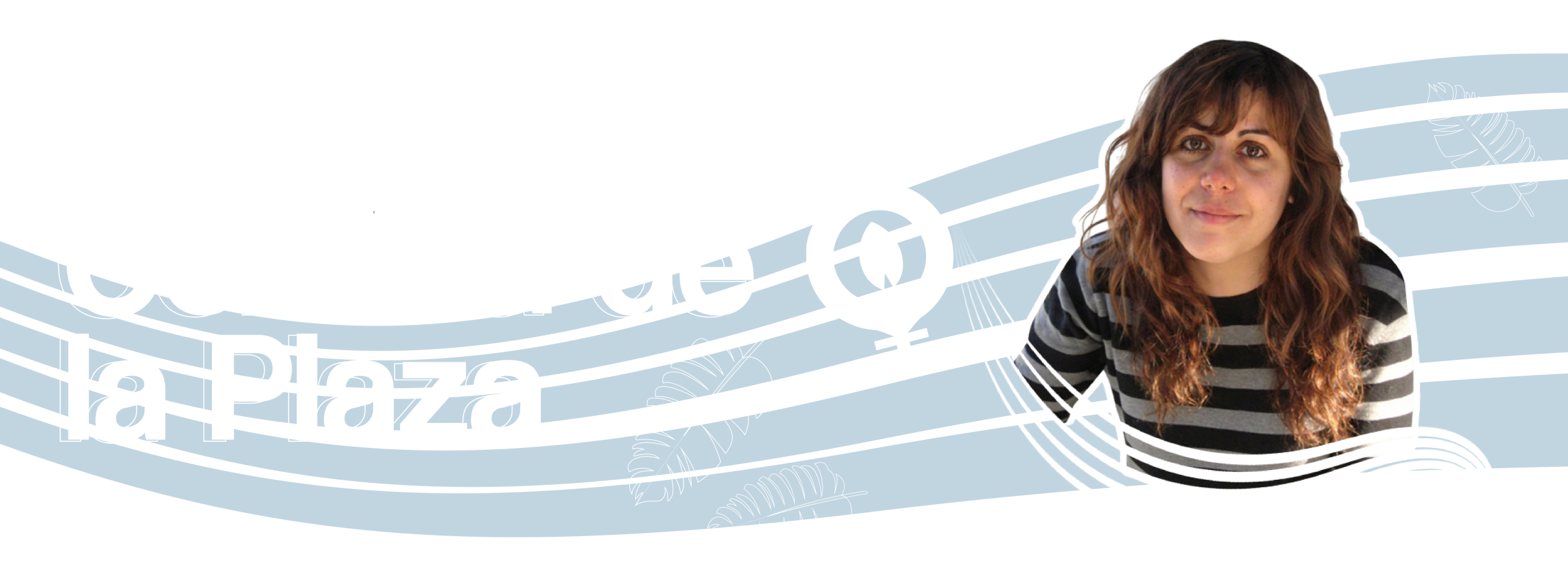
Coraina de la Plaza is a feminist and climate justice campaigner with over twelve years of experience working at the intersection of finance, false solutions, gender, and climate justice. She holds a bachelor’s degree in Environmental Sciences from the Autonomous University of Madrid (UAM), Spain, and a master’s degree in Forest and Nature Conservation from Wageningen University. Currently, she serves as the Global Coordinator of the HOME Alliance, where she advances transformative approaches to climate action grounded in equity and systemic change.
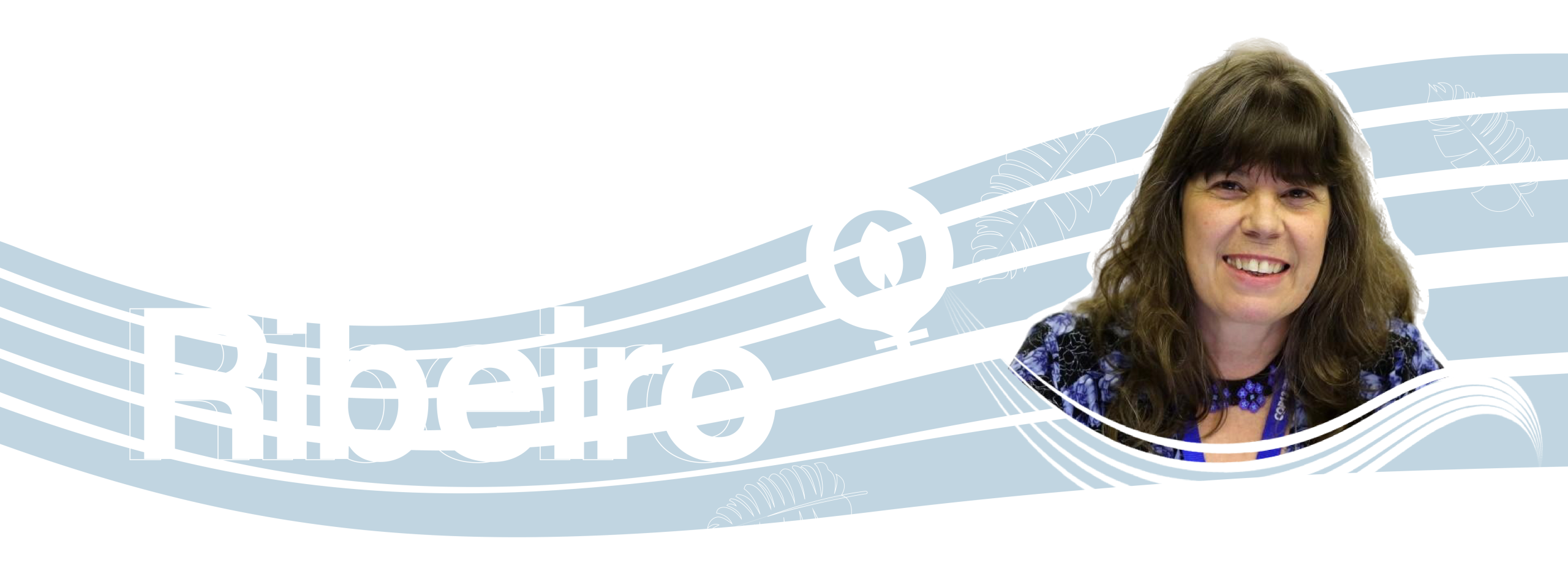
Silvia Ribeiro is an Uruguayan journalist, feminist, and environmental activist with over 30 years of experience in research and advocacy, working with independent international collectives to disseminate information and prevent the impacts of emerging technologies (such as biotechnology and geoengineerin) on biodiversity, peasant and local communities, and Indigenous Peoples. She is a founder and current Research Coordinator of the Latin American network Alianza Biodiversidad, a member of the editorial committee of the magazine Biodiversidad, sustento y culturas, and a collaborator with the international Hands Off Mother Earth Alliance opposing climate geoengineering. She writes regularly for several Latin American publications, including the Mexican daily La Jornada.
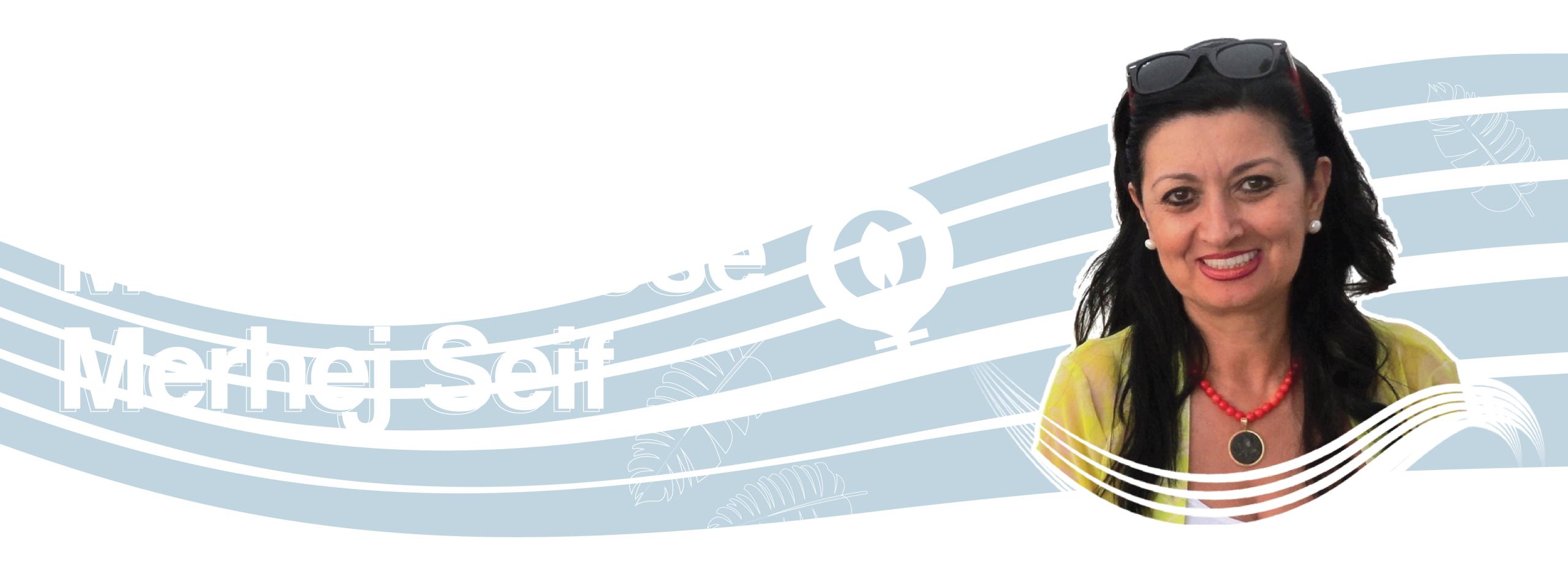
Marie Therese Merhej Seif is a Lebanese architect, environmental advocate, and sustainability leader with extensive experience in climate action, environmental policy, and sustainable urban development. She serves as Regional Facilitator for West Asia and Chair of HEAD, leading strategic initiatives on environmental sustainability and climate resilience, and is actively involved with the Women’s Major Group (WMG), advocating for gender-responsive environmental governance and women’s leadership in global policy processes. Her work focuses strongly on ending plastic pollution through policies on plastic reduction, waste management reform, circular economy solutions, and the protection of marine and coastal ecosystems. With a background in sustainable architecture, climate policy, and environmental and health justice, she works at the intersection of environment and gender, promoting inclusive, science-based solutions, and represents Lebanon within the G100 Global Network, contributing to global efforts toward sustainability and a plastic-free future.